
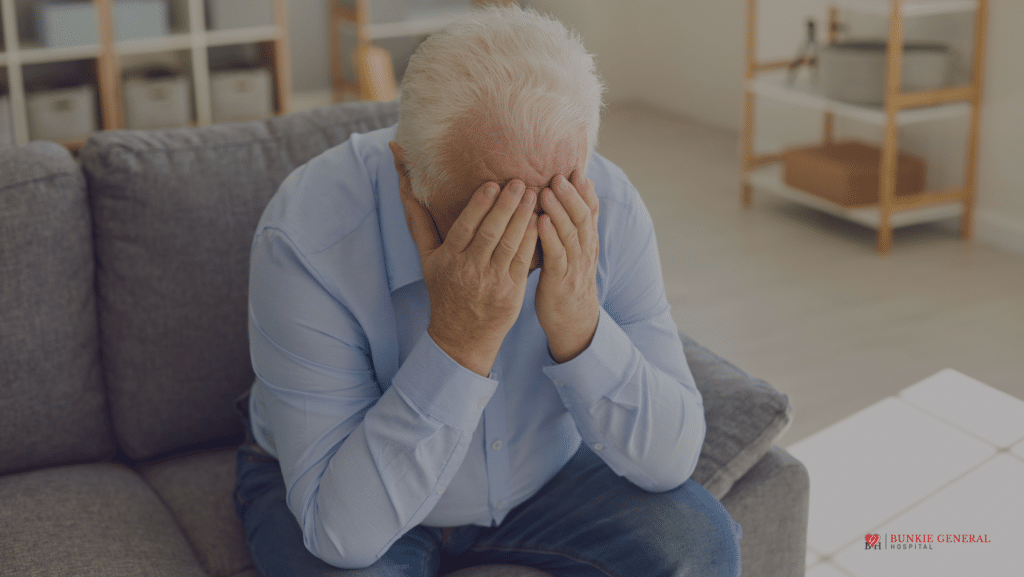
When we think about wound healing, we often focus on the physical aspects—like dressings, medications, or procedures. But for many patients, especially older adults, the emotional toll of chronic wounds is just as real and just as important.
Chronic wounds can lead to stress, sleep issues, social isolation, and even depression. And research shows these psychological factors don’t just affect how a person feels—they can actually slow down or interfere with the body’s ability to heal.
Stress: More Than Just an Emotion
Living with a non-healing wound can be exhausting. There’s the financial burden of treatments, the disruption of daily routines, and the constant physical care required. Add to that the discomfort or embarrassment of the wound itself, and it’s easy to understand why stress levels rise.
In older adults, stress from chronic wounds can lead to other serious health issues like high blood pressure, diabetes, or heart disease—conditions that make wounds even harder to heal. Chronic stress also weakens the immune system, reducing the body’s ability to fight infection and repair tissue.
The Connection Between Wounds and Sleep
Pain, discomfort, and stress often interfere with sleep. In fact, studies show people with slow-healing wounds experience poorer sleep quality and more fatigue during the day.
Good sleep is essential to healing. It strengthens the immune system and supports the body’s repair processes. For older adults—who may already struggle with sleep—chronic wounds only make it worse.
Social Isolation: A Silent Risk
Chronic wounds can cause people to withdraw from social situations. Whether due to pain, odor, or embarrassment, this self-isolation increases the risk of loneliness and depression.
For seniors, isolation can lead to emergency room visits, hospitalizations, and even cognitive decline. It’s a serious risk factor that directly impacts physical and mental health—and can contribute to the development of more chronic wounds.
Depression and Wound Healing
Stress, poor sleep, and isolation are all linked to depression—a serious condition that affects how a person thinks, feels, and functions. Depression doesn’t just affect mood. It can impact immune response, hormone balance, inflammation, pain regulation, and nutrition—all essential components of wound healing.
In older adults, depression can lead to appetite loss or poor nutrition, which slows healing even more.
Tips for Managing the Emotional Side of Wound Healing
To support both physical and emotional healing, here are a few simple but important steps:
Stay socially connected. Maintain regular contact with family, friends, and caregivers.
Focus on the positive. Try to replace negative thoughts with hope and motivation.
Practice relaxation. Use breathing exercises or meditation to manage stress.
Eat well. A nutritious diet supports immune function and healing.
Seek proper care. Specialized wound care services, like the ones at Bunkie General Wound Care Clinic, offer advanced therapies and emotional support throughout the healing journey.
Take the Next Step Toward Healing
At Bunkie General Wound Care Clinic, we understand that healing is more than skin deep. If you or a loved one is living with a non-healing wound, let our experienced team guide you toward recovery—physically and emotionally.
Contact Information
This article is for informational purposes only and is not a substitute for professional medical advice, diagnosis, or treatment. Always consult your healthcare provider with any questions or concerns about your health.